
Women Empowerment in Indian Cinema: Decoding 'Mrs.'
Discover how 'Mrs.' highlights Women Empowerment in Indian Cinema through deep storytelling, cultural representation, and the strong female characters today.
Yantrana Films Editorial Team
3/21/20252 min read
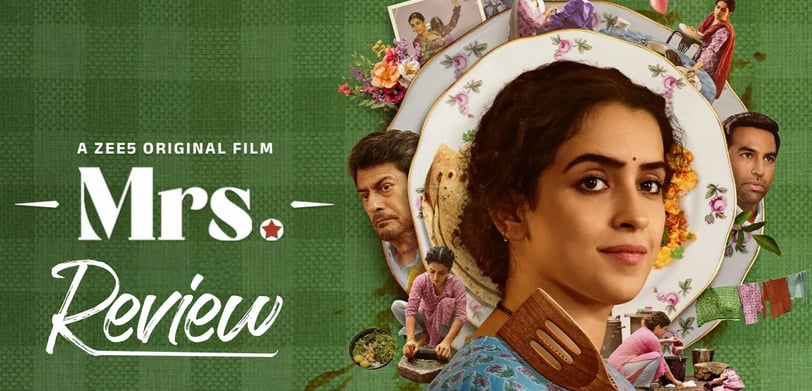

In a world where feminism encounters unforeseen challenges—be it protests against sexual violence, restrictive abortion laws, or debates over women's attire—films like Mrs. and its predecessor, The Great Indian Kitchen, offer poignant reflections on the subtle oppressions faced by women within their own homes. This article provides an insightful analysis of how the film Mrs. uses culinary symbolism to depict the protagonist Richa's journey, illustrating how traditional gender roles can confine and define women's experiences.
Richa's Introduction to Domesticity
Richa, a spirited woman from Delhi, enters into matrimony with Diwakar, a neighborhood gynecologist. As she steps into her new role as a housewife, she is introduced to the household's expectations, primarily centered around the kitchen. The film meticulously portrays her initial enthusiasm gradually waning as she becomes engulfed in the monotonous routine of preparing and serving meals to the male members of the family. Through detailed shots of food preparations and the repetitive actions of the women, the film emphasizes the mechanical nature of their daily lives.
The Symbolism of Shikanji
A pivotal moment in the film involves Richa preparing Shikanji, a traditional Indian lemonade. This seemingly simple act becomes a metaphor for her own situation—refreshing on the surface but masking the bitterness of her suppressed desires and ambitions. The Shikanji represents the facade of contentment that Richa is expected to maintain, even as she grapples with the erosion of her individuality.
Culinary Confinement
Each dish Richa prepares serves as a narrative device, symbolizing the various facets of her entrapment. The elaborate meals reflect the cultural expectation for women to find fulfillment in domestic duties, often at the expense of their personal growth. The film critiques this notion by showcasing how these culinary tasks, rather than being acts of love or creativity, become instruments of subjugation, reinforcing traditional gender roles.
A Comparative Lens: The Great Indian Kitchen
Drawing parallels to The Great Indian Kitchen, Mrs. delves into the intricacies of patriarchy within the household. Both films highlight how cultural practices and traditions, particularly those revolving around food, are utilized to perpetuate women's subordination. The kitchens in these narratives are not just physical spaces but also symbolic cages that restrict women's freedoms under the guise of duty and tradition.
Conclusion: Stirring the Pot of Change
Mrs. challenges viewers to reflect on the normalized gender biases entrenched in daily domestic life. By decoding each dish Richa prepares, the film unveils the layers of oppression that often go unnoticed yet significantly impact women's lives. It calls for a re-examination of societal norms and encourages a shift towards genuine equality, where a woman's place is determined by her choices, not by conventional expectations.
This analysis underscores the film's powerful use of culinary elements to narrate a woman's struggle against domestic oppression, inviting audiences to question and challenge the traditional roles assigned to women in society.
Follow Us On Social Media
Connect
Invest
info@yantranafilms.com
+91 8484822158
© 2025. All rights reserved.